
Sound insulation for the floor plays an enormously important role in increasing your living comfort and reducing nuisance. Whether you live in a detached house or an apartment, a well-insulated floor can prevent impact noise such as footsteps and airborne noise such as music and other vibrations from penetrating to the floor below. But how does floor sound insulation work? And what are the options? Geluidsisolatie Deal explains everything about floor sound insulation and why it is a smart investment for your home.
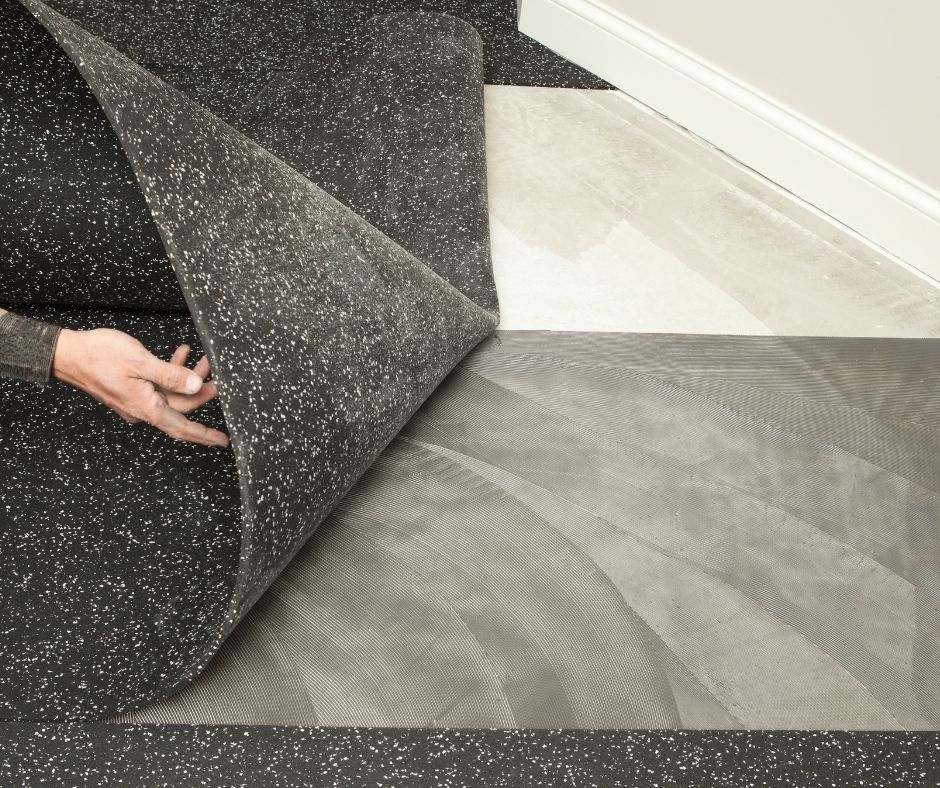
Sound-insulating underfloor
A very popular choice when it comes to insulating the floor is the underfloor. An underfloor is a floor construction in which you apply various layers that reduce or even block the passage of sound. Especially in apartments, underfloors are seen as a very effective solution, because they form an excellent barrier between the many storeys in an apartment complex. A traditional underfloor often has the following layers:
- A damping underlay
The sound-damping underlay often consists of rubber sound insulation and aims to reduce the sound transmission to the actual floor of the home. - The floating screed
Thanks to the damping underlay you can now lay a floating screed that is not in direct contact with the structural floor of the home. This ensures that impact noise is passed on to the structural floor much less readily. - Finish
Finally, you finish the sound-insulating underfloor with material of your choice. This could be laminate, parquet or PVC, for example, but tiles are certainly also possible in combination with an underfloor!
Floor sound insulation for apartments
Noise nuisance naturally occurs more often in apartments than in a detached home. However, in apartments you often do not have all the options because of the building-technical restrictions within an apartment complex. That is why we have put together a number of effective sound-insulating materials especially for apartments:
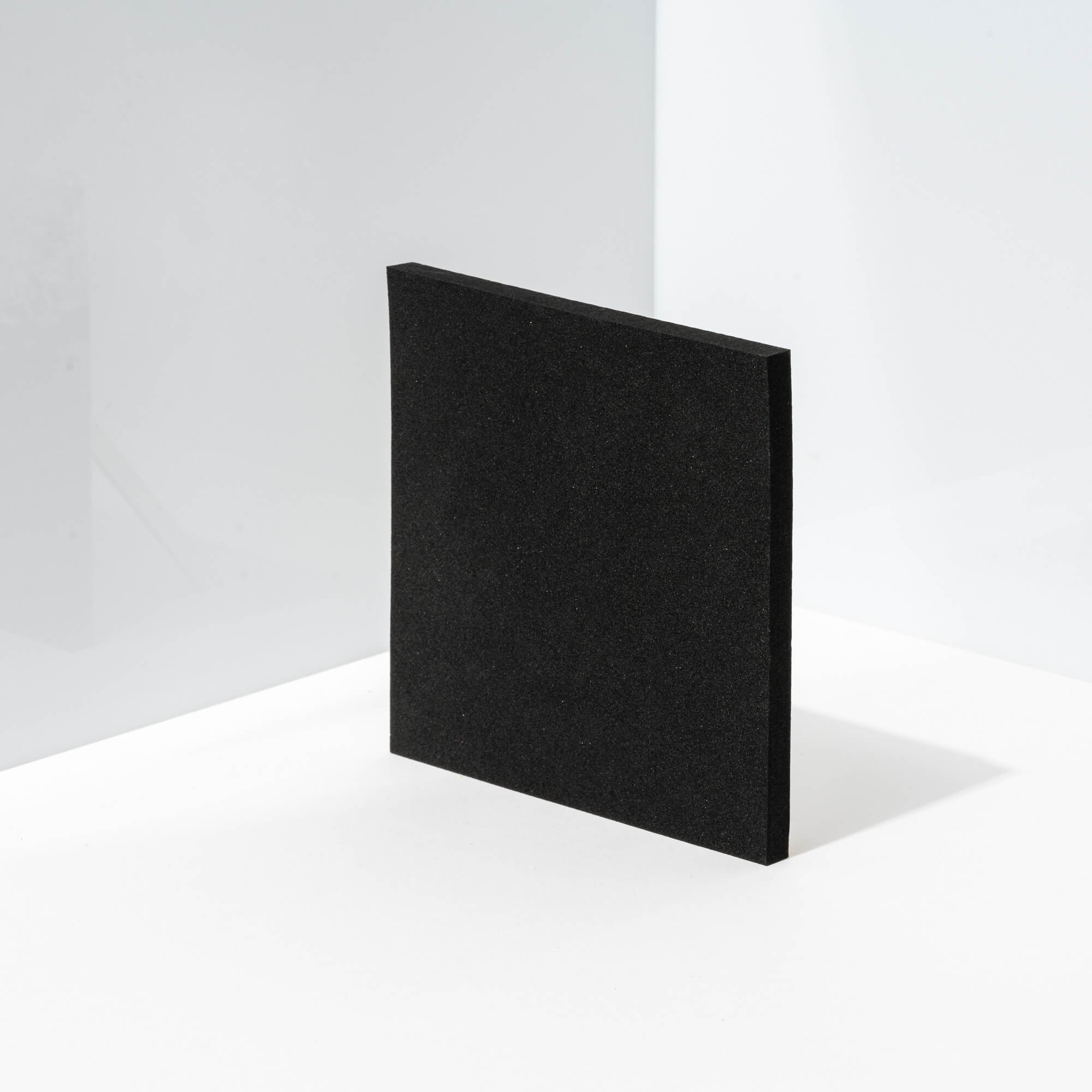
Acoustic mats
Sound-insulating mats are placed between the structural floor and the finishing floor. Rubber sound insulation such as granulate rubber can be used excellently as an acoustic underfloor.
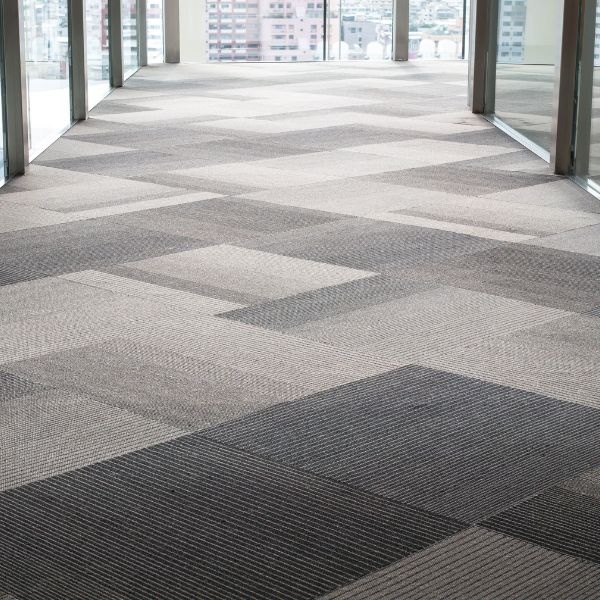
Carpet with insulating underlay
Interested in a solution with carpet? Then you could choose a carpet with an insulating underlay. This option is very attractive in terms of cost and also very easy to apply.
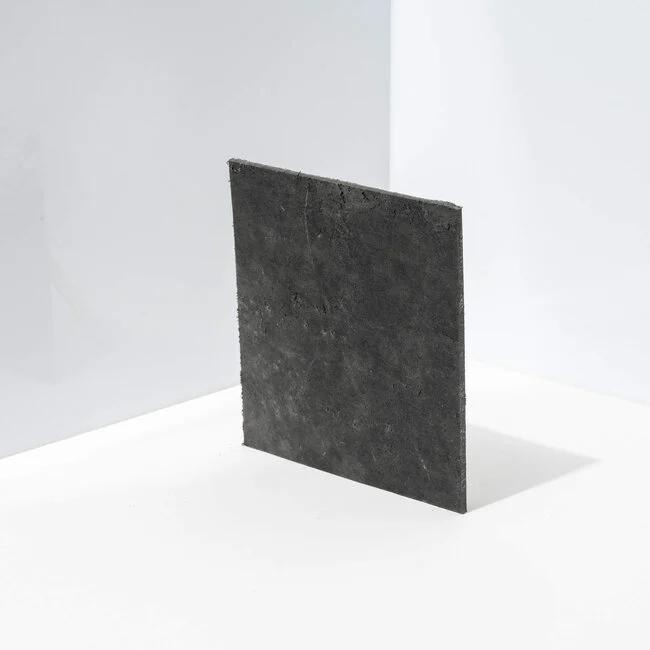
Mass-loaded sheets
Just as with sound insulation for ceilings, mass-loaded sheets are also suitable for incorporating in the floor to dampen impact noise. The high density of mass-loaded sheets absorbs the thuds of impact noise, so these sounds no longer penetrate the floor below.
When insulating the floor in your apartment, do bear in mind that you have to deal with regulations from your tenancy agreement or the owners' association. So always enquire about the rules beforehand before you get started.
Sound insulation of the floor is therefore a good way to increase your own living comfort and that of the neighbours around you. Consider the options that apply in your situation and contact us for good advice!