


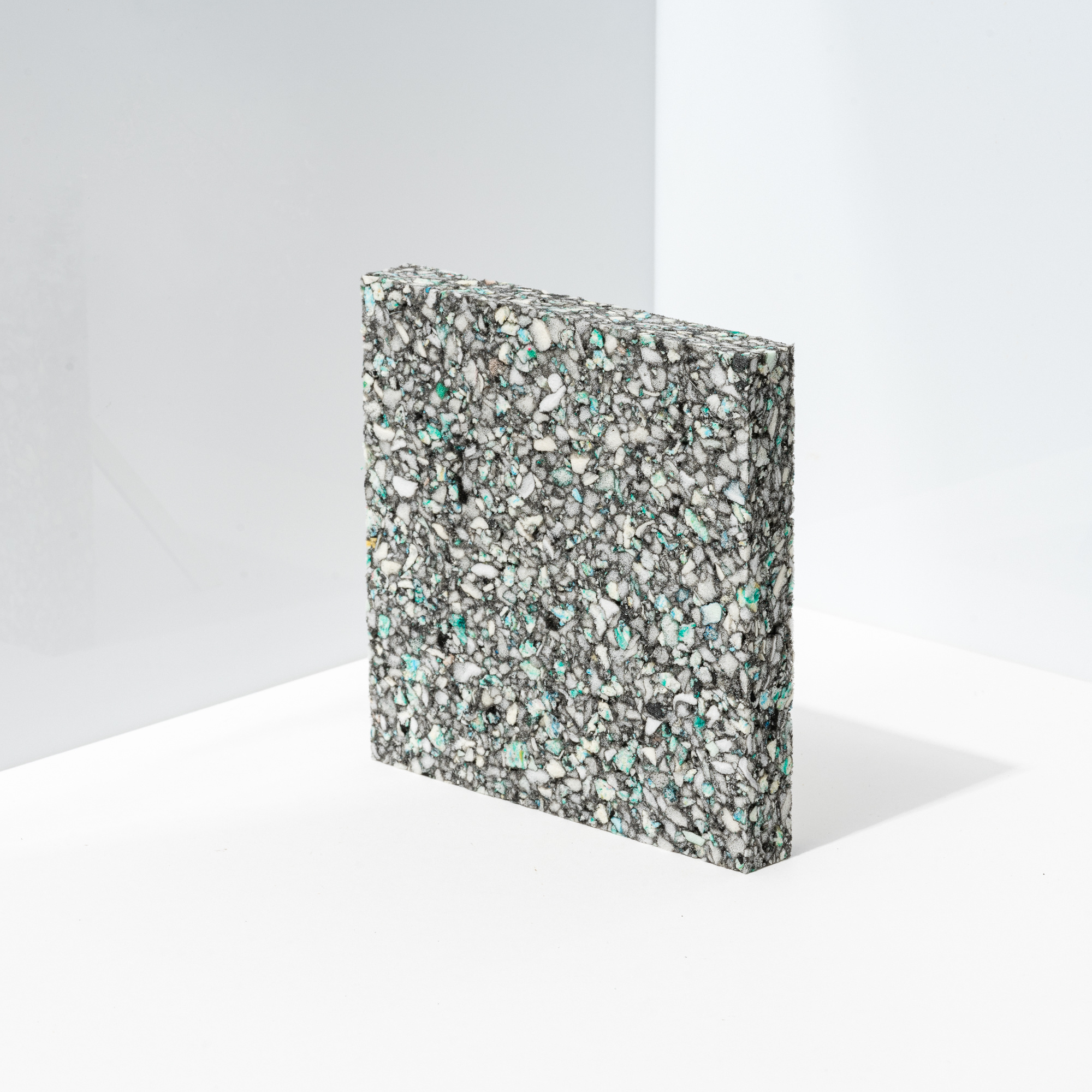
What is vibration isolation?
Vibration isolation is a form of sound insulation used to ensure that vibrations and impact noise are not transferred to the structure. A simple example is the use of vibration isolation under a floor.
You have probably heard of downstairs neighbours in an apartment complaining about the stomping in the apartment above them. By fitting a layer of vibration isolation under your laminate, for example, in the upstairs apartment, the vibrations and impact noise of the stomping are not passed on to the structure of the building. In effect, you should see vibration isolation as an intermediate layer that dampens and absorbs vibrations, which prevents vibrations from causing a nuisance.
Floor vibration isolation
The most popular place to use vibration isolation is on the floor, under your parquet or laminate. Especially in apartment complexes and blocks of flats, vibrations can cause a lot of nuisance for neighbours. But in houses and commercial buildings too, it is important to dampen vibrations to prevent nuisance. Vibration isolation on the floor is therefore no unnecessary luxury.
Damping washing machine vibrations
The washing machine can cause a lot of vibrations and impact noise. This can cause a nuisance not only in your own home, but vibrations can also travel through the structure and disturb neighbours. By insulating the floor under your washing machine properly, and the structure around it too, you can dampen vibration noise.
Installing vibration isolation
The handy thing about our bonded vibration isolation is that it does not need to be fitted with glue or other fixing materials. You can lay the foam loose under your floor or washing machine. When installing, it is important to make sure that the foam does not touch the walls. Going for the self-adhesive vibration isolation? Then make sure during installation that the surface on which you want to apply the insulation is free of dust and grease.