
Do you want to reduce noise from neighbours, or create a quieter living room, bedroom or workspace? With the right independent wall lining insulation you can limit sound transmission through an existing wall. A sound-insulating independent wall lining combines extra mass, acoustic decoupling and absorbent insulation material to block sound better.
Not every wall lining offers the same sound insulation. The materials used, the wall build-up and the way it is fitted determine how good the result is. On this page you will find out how an acoustic stud wall works, which insulation is best to use, and what to bear in mind when building a wall lining or having one fitted.

What is a sound-insulating independent wall lining?
An independent wall lining is an extra wall placed in front of an existing wall. Wall linings are used, among other things, to hide pipework, improve thermal insulation or reduce noise nuisance.
A sound-insulating independent wall lining is specifically designed to limit sound transmission between rooms. This usually involves a separate frame with insulation material and a heavy wall finish.
The main difference from an ordinary wall lining is the acoustic decoupling. By avoiding direct contact with the existing wall as far as possible, sound vibrations have less chance to spread through the structure.
A wall like this is particularly worthwhile when you experience noise from neighbours, for example from conversations, television or music.
How does wall lining insulation work against noise?
A well-insulated independent wall lining works on the mass-spring-mass principle. Two relatively heavy structures are separated from each other by a resilient gap. In this case the first mass is the existing wall and the second mass is the new wall lining.
The space between these walls acts as the spring. By filling the cavity correctly with sound-absorbing material, unwanted resonances in the construction are limited. The combination of mass, cavity fill and decoupling means less airborne noise is transmitted through the wall.
Three key elements of sound insulation
- Mass: Heavy boarding, such as several layers of suitable plasterboard, helps to block airborne noise. In certain constructions an additional mass-loaded sheet can be used.
- Decoupling: By using a freestanding frame or suitable acoustic decoupling materials, you limit the direct transmission of vibrations.
- Cavity fill: Sound-absorbing insulation in the gap reduces resonances and improves the performance of the whole wall system.
An airtight finish is also important. Sound can travel through small openings, joints and gaps. So pay enough attention to the connections at floors, ceilings, side walls and any penetrations.
Which insulation is best for an independent wall lining?
The best insulation for an independent wall lining depends on the existing wall, the space available and the noise you want to reduce. With sound insulation it is important to look beyond the insulation material alone. In the end it is the complete wall construction that determines performance.
For an acoustic stud wall, different materials are usually combined:
1. Sound-absorbing cavity fill
Mineral wool, such as rock wool or glass wool, is often used as cavity fill in wall linings. Other absorbent fibre materials can also be suitable. These materials limit resonances in the space between the existing wall and the new wall.
The cavity fill does not need to be as heavy as possible. What matters more is that the material is suitable for the construction, is fitted correctly and does not unnecessarily disturb the acoustic decoupling.
2. Sound insulation sheets and mass-loaded sheets
To block airborne noise, a wall lining needs enough mass. For this, two or more layers of suitable plasterboard are often used, depending on the performance required and the wall system chosen.
In specific constructions, sound-insulating mass-loaded sheets can be used to add extra mass without adding much thickness. Whether this makes sense depends on the overall wall build-up.
Simply fixing a mass-loaded sheet to an existing wall does not give the same result as a fully decoupled wall lining.
3. Acoustic decoupling materials
An important cause of disappointing sound insulation is the presence of flanking paths. These arise when vibrations are transferred from the existing structure to the wall lining through hard connections.
With suitable rubber or other vibration-isolating decoupling strips, the connections between the frame and the surrounding structure can be improved. Which strip is suitable depends on, among other things, the load and the fixing method chosen.
4. Airtight finish
Even a well-insulated wall can let sound through when the connections are not properly finished. So use suitable sealing materials for joints and gaps and avoid unnecessary openings in the boarding.
The best wall lining insulation is therefore not a single product, but a carefully assembled combination of materials.
Build-up of an acoustic stud wall
A sound-insulating independent wall lining is usually built up from several layers, each with its own function. A commonly used construction consists of the following parts:
- Existing wall: The original wall forms the first mass of the construction.
- Cavity: A gap provides acoustic separation between the existing wall and the new wall lining.
- Freestanding or acoustically decoupled frame: A timber or metal framework forms the basis of the new wall. A freestanding construction prevents direct contact with the existing wall.
- Sound-absorbing insulation: Suitable cavity fill is placed between the studs to limit resonances.
- Heavy boarding: One or more layers of suitable board materials provide the mass needed. With a multi-layer finish the joints are preferably staggered.
- Airtight finish: Connections, joints and penetrations are carefully finished to prevent sound leaks.
The exact choice of materials, dimensions and fixing method must be matched to the existing construction. Also check the requirements for load-bearing capacity, fire safety and any moisture exposure.
How thick should a sound-insulating independent wall lining be?
The thickness of a wall lining depends on the studs used, the cavity, the insulation and the number of layers of boarding. With compact constructions a total thickness of roughly 5 to 10 centimetres is sometimes possible. More extensive wall build-ups can take up 10 to 15 centimetres or more.
A thicker wall lining does not automatically give better sound insulation, however. A well-designed, decoupled construction can perform better than a thicker wall in which sound vibrations are passed on through hard connections.
When deciding on the wall thickness, pay attention to the following points:
- The space available in the living room, bedroom or other room.
- The mass and build-up of the existing wall.
- The depth of framework and cavity needed.
- The type and thickness of the sound-absorbing insulation.
- The amount and weight of the boarding.
- The possibility of acoustically decoupling the construction.
If space is limited, it is wise to first determine which noise you want to reduce. That way you avoid losing more floor space than necessary without the sound insulation improving enough.
Wall lining insulation against noise from neighbours
A common reason to fit a sound-insulating independent wall lining is noise from an adjoining home. Conversations, television and music in particular can be audible through a shared wall.
In these situations an acoustic stud wall can reduce the transmission of airborne noise. The result depends on, among other things, the existing party wall, the way the wall lining is built and the presence of other sound paths.
Does a wall lining also help against impact noise?
Impact noise occurs when vibrations are introduced directly into a structure. Think of footsteps, moving furniture or knocking on a wall. This sound can spread through floors, ceilings and adjoining walls.
A wall lining is mainly intended to insulate airborne noise. With impact noise the effect can be limited, because vibrations can bypass the new wall through other parts of the structure. This is also known as flanking sound transmission.
Are you mainly bothered by footsteps from upstairs neighbours or other structure-borne noise? Then an additional measure on the floor, the ceiling or the noise source may be needed.
Read more about the different causes and solutions on our page about reducing noise from neighbours.
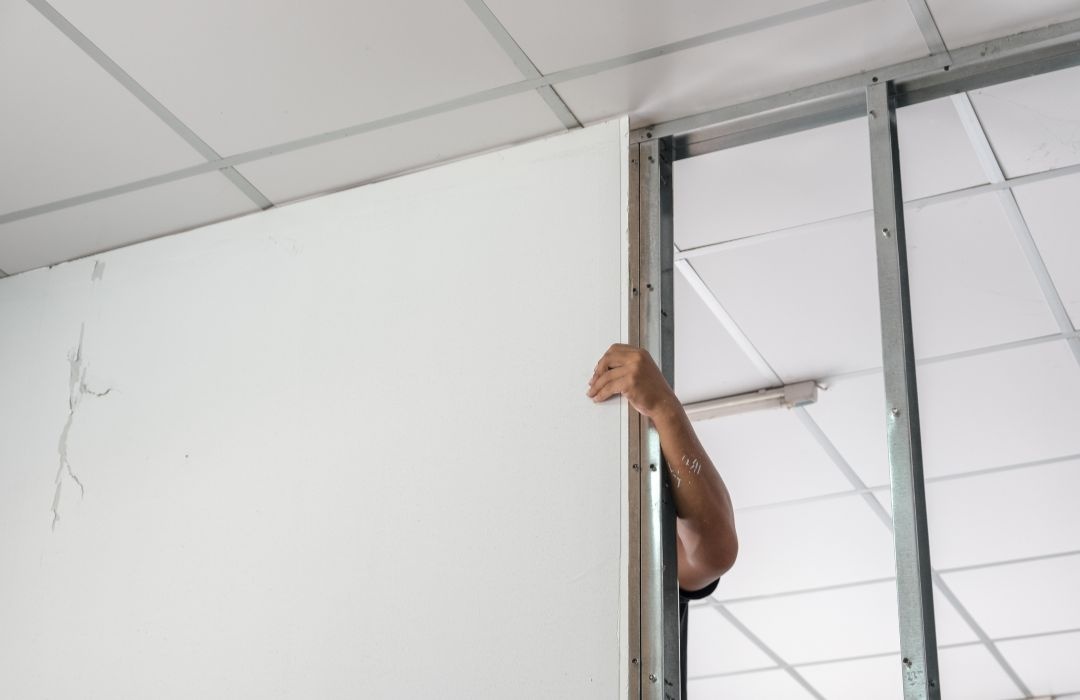
Sound-insulating independent wall lining in the living room or bedroom
Wall lining insulation is used in different rooms. The most suitable solution depends on the quiet you want, the space available and where the sound comes from.
Living room wall lining
In the living room a sound-insulating independent wall lining can help to reduce conversations, television noise and music from adjoining homes. Especially with a shared party wall, a well-decoupled wall construction can be a suitable measure.
Take into account the loss of space, existing sockets and the connection to the floor and ceiling. Carelessly fitted electrical boxes or openings can reduce the sound insulation.
Bedroom wall lining
In the bedroom it is mainly about limiting disturbing noise while you sleep. Think of voices, television or other sounds from an adjoining room. A well-built wall lining can contribute to a quieter bedroom.
Because bedrooms are often smaller, the thickness of the wall lining plays an important role. So take the sound reduction you want into account when choosing the construction.
Office or workspace wall lining
In offices and home workspaces too, an acoustic stud wall can provide more privacy and less sound transmission. Here it is important to distinguish between sound insulation and sound absorption.
A sound-insulating independent wall lining limits sound transmission between rooms. If you mainly want to reduce reverberation and echo within the same workspace, additional sound-absorbing materials are often a better choice.
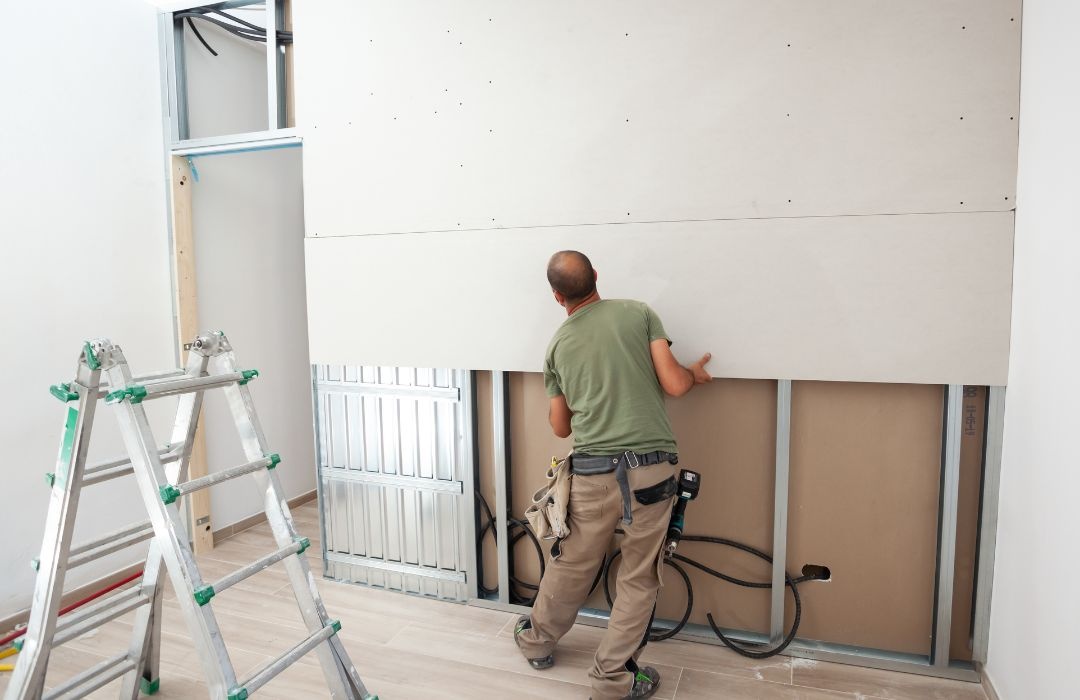
Which materials do you need for wall lining insulation?
To make a sound-insulating independent wall lining you need various materials. Which products are suitable depends on the wall construction you choose.
- Framework: Timber or metal profiles for the load-bearing structure of the wall lining.
- Cavity insulation: Suitable sound-absorbing insulation material to limit resonances in the wall.
- Decoupling material: Vibration-isolating strips or fixing systems to prevent unwanted flanking paths.
- Boarding: Suitable plasterboard or other board materials to add enough mass to the construction.
- Additional mass-loaded sheets: In certain wall build-ups, mass-loaded sheets can contribute to extra sound insulation.
- Sealing material: Suitable acoustic sealant and jointing materials to finish joints and connections carefully.
At Geluidsisolatie Deal you will find various sound insulation materials. When choosing a product, make sure the material is suitable for structural wall constructions and for the application you have in mind.
Not sure which products to combine? Then first ask for advice on the complete wall build-up. A good combination of materials matters more than applying as many insulation products as possible separately.
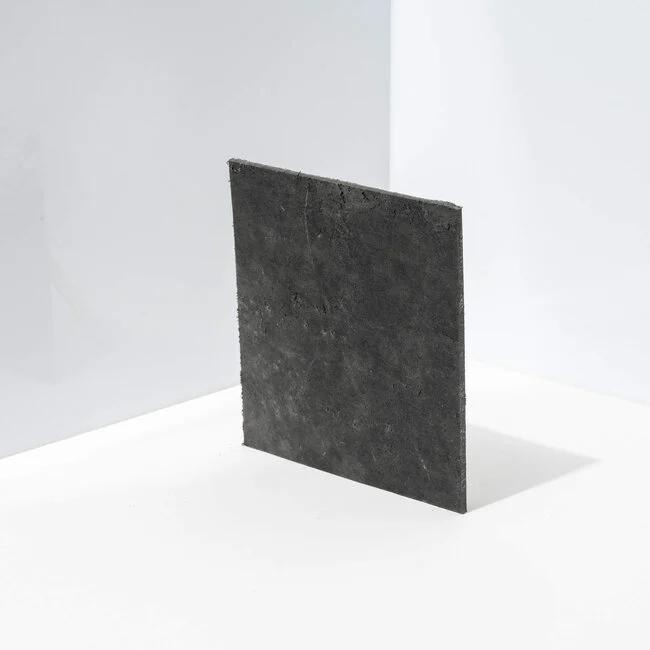
Mass-loaded sheets for extra sound insulation
Do you want to improve the sound insulation of a wall lining? Then adding extra mass can play an important role. Sound-insulating mass-loaded sheets are relatively thin, heavy sheets that help to limit the transmission of airborne noise, such as voices, music and television noise.
In suitable wall constructions, mass-loaded sheets can be combined with absorbent cavity insulation and acoustic decoupling. That way they contribute to a complete sound-insulating build-up without adding unnecessary wall thickness.
Which mass-loaded sheet is suitable depends on the existing wall, the weight of the construction and the fixing method chosen.

Bonded Foam strips for acoustic decoupling
When insulating a wall lining, mass is not the only thing that matters. Preventing flanking paths also plays an important role. When the framework is in direct contact with the surrounding structure, vibrations can be transferred through these connections.
Bonded Foam strips can, provided they are suitable for the load and application, be used as a resilient intermediate layer at the connections of the framework. This helps you limit hard contact points and unwanted vibration transmission.
By combining suitable decoupling materials with heavy boarding and absorbent cavity insulation, you improve the acoustic build-up of your wall lining.
Frequently asked questions about wall lining insulation
What is the best insulation for an independent wall lining?
The best insulation is a combination of suitable cavity fill, sufficiently heavy boarding and acoustic decoupling. Mineral wool is often used as cavity fill. The final sound insulation depends mainly on the complete wall construction, not on one specific insulation material.
How much sound does a sound-insulating independent wall lining block?
The sound reduction depends on the existing wall, the wall system chosen, the installation and the presence of flanking sound transmission. There is therefore no fixed sound reduction in decibels that applies to every wall lining. For a reliable estimate you need data from a tested wall construction or an acoustic assessment.
Can I fit a wall lining directly against an existing wall?
For good sound insulation it is usually better to acoustically decouple a wall lining from the existing wall. When both walls are connected directly to each other, sound vibrations can be transferred through those connections. A freestanding frame or a suitably decoupled fixing system is therefore often preferred.
Is an acoustic stud wall suitable against neighbour noise?
Yes, especially with airborne noise such as conversations, television and music, a well-designed wall lining can help. With impact noise, for example footsteps or vibrations through the floor, the result is less predictable. In that case additional measures may be needed.
What is the difference between an acoustic stud wall and acoustic wall panels?
A sound-insulating independent wall lining is meant to reduce sound transmission between rooms. Acoustic wall panels are usually used to limit sound reflections and reverberation within a single room. These solutions therefore have different functions and are not simply interchangeable.
Can I make a sound-insulating independent wall lining myself?
Yes, that is possible if you have enough experience with framework, insulation and board material. Preventing flanking paths and finishing the construction airtight are especially important. Take a look at our blog about building an acoustic stud wall for more information on installation.
Can a wall lining also provide thermal insulation?
Yes, besides sound insulation a wall lining can also provide thermal insulation. How much depends on the material used and the wall build-up. With insulation on the inside of an external wall, extra attention is needed for moisture control, cold bridges and the risk of condensation.