
Want to insulate your engine bay against engine noise? Discover which sound insulation is suitable for your car, van, or camper.
Want to reduce engine noise in your vehicle? Then the engine bay is a logical place to look. The engine is one of the most important sources of noise in a car, van, commercial van or camper. When starting, accelerating and driving at higher speeds, engine noise, vibrations and heat can be transmitted through the bonnet, the bulkhead, the floor and open spaces around the engine.
Engine bay sound insulation does require the right approach. Under and around the engine you have to deal with heat, oil, dirt, moisture, moving parts and constant vibrations. That is why you do not use standard foam, home insulation or random lining here, but material suitable for technical vehicle applications.
On this page you can read when engine bay insulation makes sense, which material you use and how to insulate the engine bay of a car, van or camper safely and effectively.
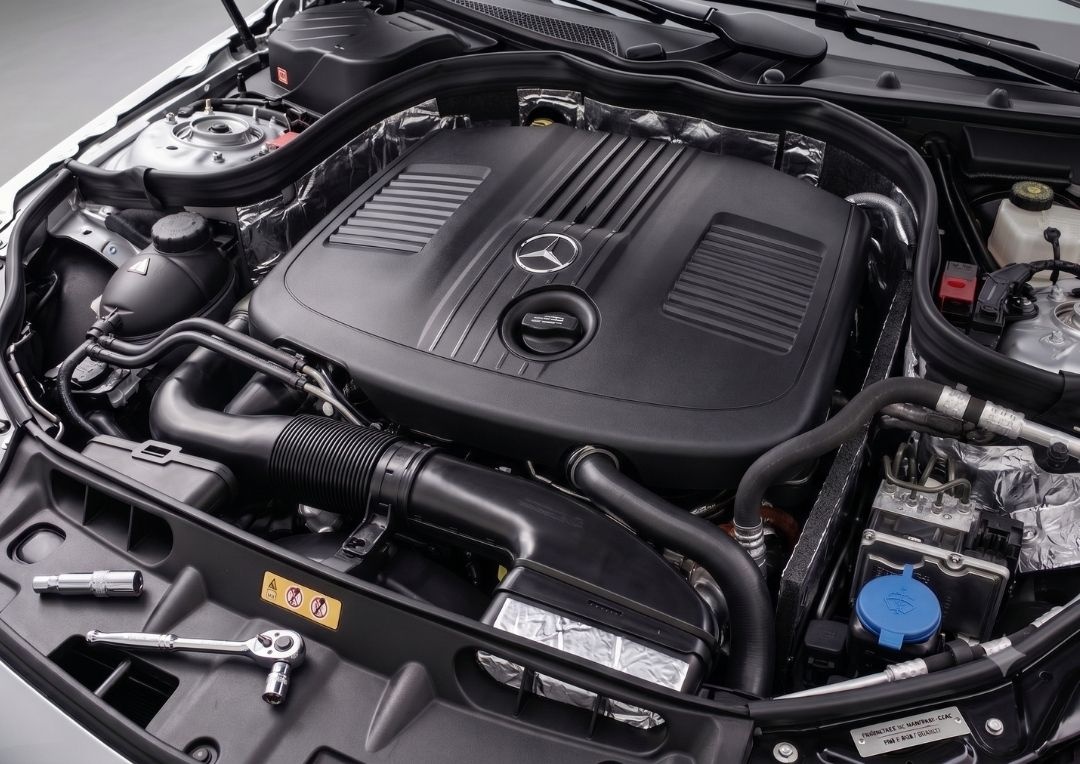
Problem: direct engine noise and heat at the top of the engine bay.
Best approach: heat-resistant bonnet insulation on the inside of the bonnet.
Problem: noise, vibrations and heat around the engine and surrounding panels.
Best approach: moisture, oil and heat-resistant sound insulation on suitable fixed parts.
Problem: engine noise that is transmitted directly towards the cabin.
Best approach: a combination of damping and insulation on the cabin side or on accessible parts.
Problem: vibrations and driving noise that enter the interior through the floor.
Best approach: additional floor insulation when engine noise does not only come from the front.
Good engine bay sound insulation can contribute to more driving comfort, less intrusive engine noise and a neater finish of technical spaces. Especially in vehicles that cover many miles, such as commercial vans and campers, less constant engine noise can make driving calmer.
In addition, the right choice of material helps make the insulation suitable for the conditions under the bonnet. Think of heat, moisture, oil, dirt and vibrations. A protective PU top layer or aluminium top layer is often more important in the engine bay than in the interior of a vehicle.
Do expect a realistic result, though. Engine bay insulation can reduce engine noise, but does not automatically solve all noises in a vehicle. For a quiet car, van or camper you always look at the total noise path: engine bay, bonnet, bulkhead, floor, wheel arches, doors and any load area.
The right approach differs per vehicle. A passenger car has different noise paths than a commercial van or camper. That is why it is important to look not only at the material, but also at how you use the vehicle.
Common problem: engine noise when starting, accelerating, idling or driving at higher speeds.
Practical approach: first check the bonnet, bulkhead and cabin floor. Combine engine bay insulation with bonnet insulation where needed.
Common problem: tiring engine noise during long working days, motorway journeys or when driving loaded.
Practical approach: tackle engine noise at the engine bay, but also check the cabin floor, wheel arches and load area.
Common problem: constant engine noise on long journeys, especially with older campers, camper vans and diesel engines.
Practical approach: combine engine bay insulation with bonnet, floor, wheel arch and cabin insulation for more travel comfort.
Common problem: engine noise in an enclosed space where moisture, oil and heat play a bigger role.
Practical approach: use the separate advice page for boats and machine rooms, because the conditions differ from vehicles on the road.
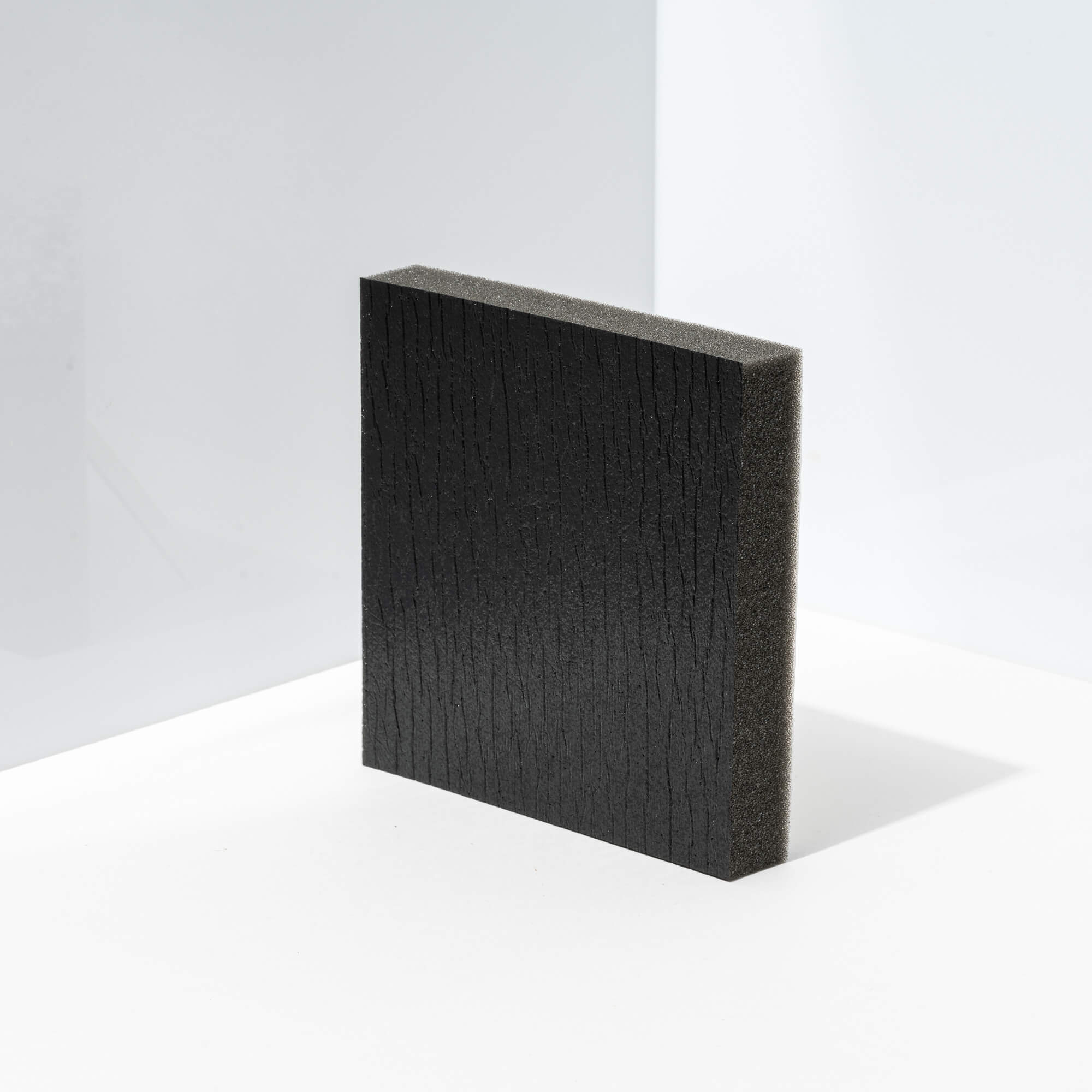
Which engine bay insulation suits best depends on the location, temperature and conditions in your vehicle. Use the selection guide below as a starting point.
Suitable solution: acoustic foam with protective top layer
Why? Helps absorb direct engine noise and is better suited to technical vehicle applications than standard foam.
Suitable solution: foam with aluminium top layer
Why? The aluminium top layer helps reflect radiant heat and protects the underlying material better.
Suitable solution: moisture and oil-resistant foam with PU top layer
Why? Better suited when the engine bay is dirty, damp or oil-prone.
Suitable solution: additional vibration damping on suitable metal parts
Why? Large panel sections can vibrate along. Vibration damping helps reduce resonance before you apply absorbing material.
A familiar situation is an older commercial van where the driver hears a lot of engine noise in the cabin, especially on motorway journeys. The first thought is often to insulate only the engine bay. On inspection, however, it turns out that the noise does not only come through the bonnet, but is also transmitted through the bulkhead and the cabin floor.
In such a case a combination is usually more sensible: heat-resistant insulation on suitable parts around the engine bay, bonnet insulation on the inside of the bonnet and additional damping of the cabin floor. This way you do not tackle one symptom, but the route by which the noise enters the vehicle.
Engine bay insulation mainly helps when the noise clearly comes from the engine. Even so, you may still hear a lot of noise after installation. That does not automatically mean the material does not work. It can also mean that another source of noise is dominant.
For the best result you therefore look at the complete vehicle. Engine bay sound insulation is often an important part, but rarely the only step for a car, van or camper.
Want to insulate the engine bay of a boat, yacht or launch? Then different points of attention apply than for a car, van or camper. In a boat you often have to deal with more moisture, limited ventilation, oil, fumes and an enclosed machine room.
That is why for this application we refer to our separate advice page on sound insulation for boats. There you can read which solutions are better suited to engine bays and machine rooms on board.
The engine bay is not a standard installation location. So always check whether the chosen material is suitable for your vehicle and whether you can fit it safely.

In the engine bay, use material that is suitable for heat, oil, moisture, dirt and vibrations. Think of acoustic foam with a PU top layer, foam with an aluminium top layer or other moisture and oil-resistant sound insulation for technical applications.
Yes, you can usually do this yourself, as long as you work safely and only line suitable places. Let the engine cool down completely, clean the substrate thoroughly and keep away from hot, moving or maintenance-sensitive parts.
Bonnet insulation is fitted to the inside of the bonnet. Engine bay insulation is broader and focuses on suitable parts around the engine, such as fixed panels, the bulkhead or surrounding surfaces. The two applications often work well together.
Yes, engine bay insulation can be suitable for company vehicles and commercial vans, especially when the engine noise clearly comes from the front. Do also check the load area, wheel arches and cabin floor, as they often transmit a lot of noise.
Yes, especially with older campers, camper vans and diesel engines, engine bay insulation can contribute to more peace on long journeys. For a better overall result you often combine this with bonnet, floor, wheel arch and cabin insulation.
No, do not use ordinary foam sheets, home insulation or carpet in the engine bay. The engine bay calls for material that is suitable for heat, oil, moisture, dirt and vibrations.
For the engine bay of a boat, different points of attention apply, such as moisture, oil, limited ventilation and an enclosed machine room. So take a look at the separate advice page on sound insulation for boats for a better choice of material.
Find the order you'd like to withdraw
Enter your email address and order number.
Check your mailbox
If your details match an order, you'll receive an email with a link to view and manage it.