


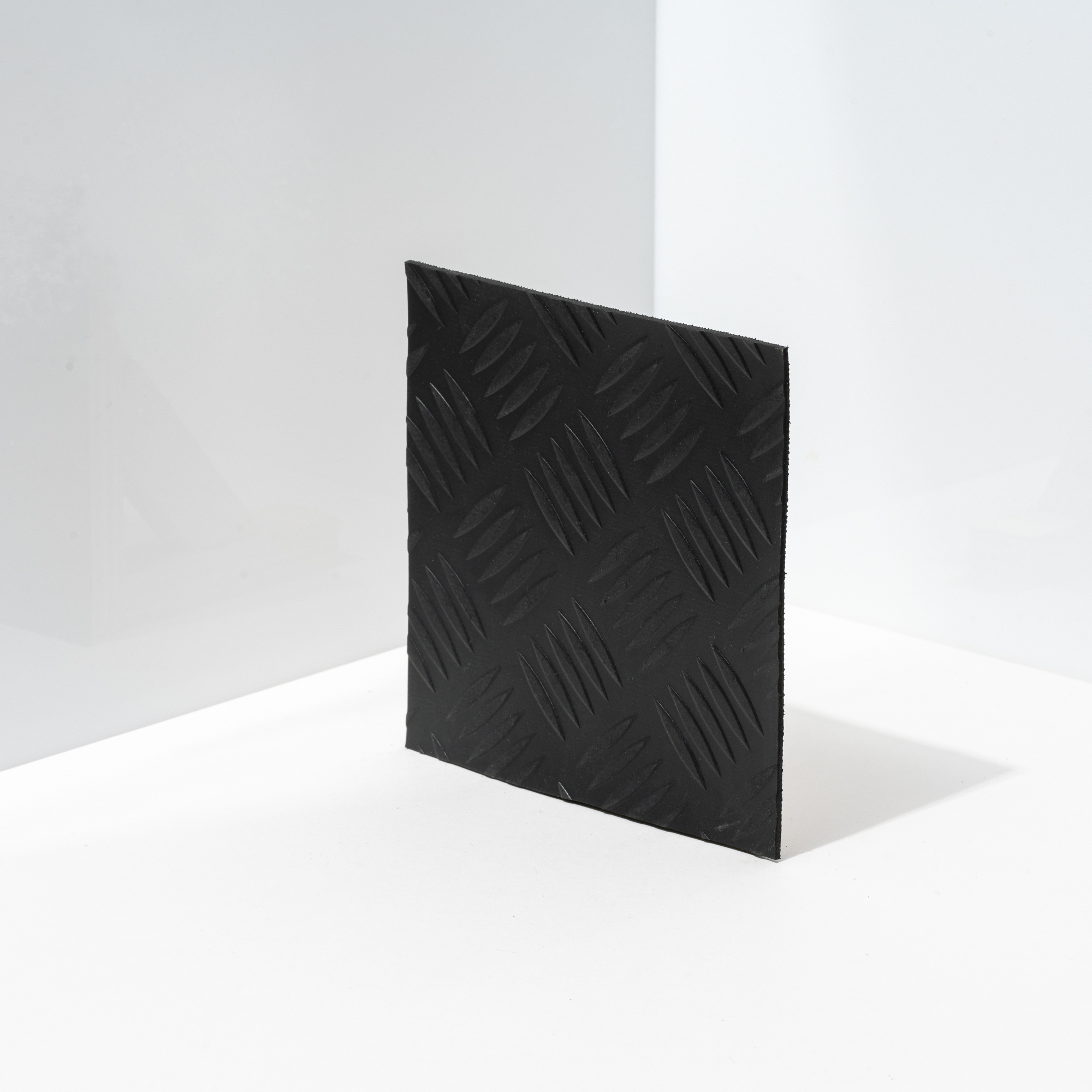
Rubber mat for sound insulation indoors, outdoors and in vehicles
A rubber mat is a versatile solution when you want to reduce noise, vibration and impact noise. Rubber naturally has a damping effect, is hard-wearing and copes well with moisture and changing weather conditions. That makes rubber mats suitable not only for indoor spaces, but also for outdoor locations such as stables, sheds, verandas, canopies, load areas and workshops.
At Geluidsisolatie Deal you will find various types of rubber insulation for practical applications. Think of a sound-damping mat for a vehicle, rubber mats for outdoor use or special stable mats for spaces where animals such as horses are kept.
How does a rubber mat work as sound insulation?
Sound travels as vibration through air, floors, walls and structures. When a hard knock or movement is passed directly to a surface, impact noise is created. Rubber helps to damp these vibrations because the material is resilient and absorbs the impact better.
A familiar example is the sound of hooves on a hard stable floor. With a rubber stable mat, part of the impact is absorbed, so less noise and vibration is transferred to the surface below. In vehicles, technical rooms and workshops too, rubber can help to reduce vibration and annoying impact noise.

Which rubber mat suits your application?
The best choice depends on where you use the mat, the type of noise you want to reduce and the finish you need. These are commonly used options:
- EPDM cellular rubber: suitable when you are looking for a flexible, weather-resistant rubber insulation material. The closed-cell structure helps with damping and makes the material suitable for applications where moisture resistance matters. Also take a look at EPDM cellular rubber.
- Rubber stable mats: developed for stables and animal housing. These mats absorb impact noise and at the same time provide a more comfortable surface for animals.
- Rubber mats and runners: practical for hallways, workshops, vehicles, load areas and floors where sound damping, protection and grip are all important. Take a look at the rubber matscategory.
- Rubber mats on a roll: handy for larger areas or situations where you want to cut the mat to size yourself, for example in workspaces, vehicles or technical rooms.
Rubber insulation in vehicles
Rubber insulation works well in vehicles such as vans, campervans, classic cars and work vehicles. In a vehicle, a lot of vibration is created via the floor, wheel arches, load area and engine compartment. A rubber mat or sound-damping rubber layer can help to limit these vibrations and improve ride comfort.
Especially in load areas, under floor coverings or against wheel arches, rubber can contribute to a quieter and neater finish. Because rubber resists moisture, oil and temperature fluctuations well, it is also suitable for vehicles that are used intensively or regularly face changing conditions.
Want to insulate your vehicle further? Then take a look at our category sound insulation for vehicles for more application-specific information.
Rubber stable mats for animal housing
In stables and animal housing, sound damping is important for comfort and calm. Hard floors can cause a lot of impact noise, especially when horses or other animals move around. Special rubber stable mats absorb part of this impact and at the same time provide a firmer, more comfortable surface.
Because stable mats have to withstand moisture, dirt and intensive use, rubber is a logical choice of material. When choosing, pay attention to thickness, profile, dimensions and the way the mat is laid in the space.
Buy your sound-damping rubber mat at Geluidsisolatie Deal
At Geluidsisolatie Deal you will find a wide range of sound-damping mats and rubber insulation for indoors, outdoors, vehicles and animal housing. Whether you are looking for a rubber mat for a stable, load area, shed, veranda, office or workshop: always choose a mat that suits the load, the substrate and the sound damping you need.
Browse the range from Geluidsisolatie Deal and choose the rubber mat that suits your application. Not sure which type of rubber mat to pick? Then add advice information or a selection guide, so visitors can find the right solution faster.
Frequently asked questions about rubber mats and sound insulation
What do you use a rubber mat for as sound insulation?
A rubber mat is used to reduce impact noise, vibration and noise caused by impacts. Common applications are floors, vehicles, stables, machines, workshops, load areas and damp outdoor locations.
Are rubber mats suitable for outdoor use?
Yes, outdoor rubber mats are suitable for places where moisture, dirt and temperature fluctuations play a role. Think of verandas, stables, sheds, canopies, workshops and load areas. Do always check that the type of rubber you choose suits the application.
How do I fit rubber insulation material?
Solid rubber sheets can often be laid loose or glued down with a suitable mounting adhesive or spray adhesive. For vertical applications, self-adhesive versions are handy. Bear in mind that not every adhesive is suitable for rubber, partly because of the plasticisers in the material.
Is a rubber mat suitable under floors?
A rubber mat can be suitable as a damping layer under certain floors, for example to reduce impact noise. For some floor constructions, however, bonded foam may be a better choice. The right solution depends on the floor, substrate, load and the sound reduction you need.
Can I combine rubber sound insulation with other materials?
Yes, rubber is often combined with acoustic foam, mass-loaded insulation or decoupling layers. This lets you combine vibration damping, sound insulation and finishing, for example in vehicles, technical rooms or floors.
Which rubber mat should I choose for a stable?
For stables, you are best off choosing special rubber stable mats. These are made for intensive use, damp conditions and damping the impact noise caused by animals such as horses. Pay attention to thickness, grip, ease of cleaning and the dimensions of the stable.