Noise in a vehicle often arises in specific places: at the engine bay, via the wheel arches, under the floor pan, around the car doors or at the back in the boot. By insulating component by component, you tackle the main noise sources far more effectively than with a general solution. On this page you will find all subcategories for sound insulation of vehicle components. Choose the component that bothers you and discover which approach suits your situation.
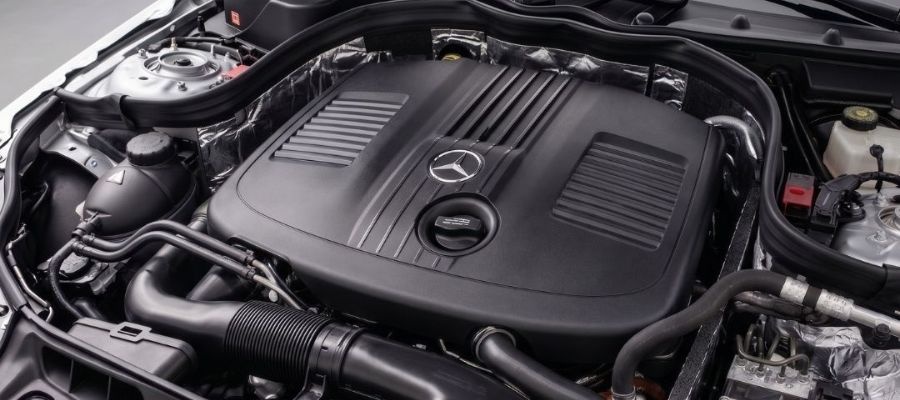
Engine bay sound insulation
Is a lot of engine noise coming into the interior? Then the engine bay is often a logical starting point. With suitable sound insulating and heat-resistant materials you can noticeably reduce engine noise and vibration. This is especially interesting for older vehicles, commercial vehicles, campervans and vehicles where the engine is clearly audible while driving.
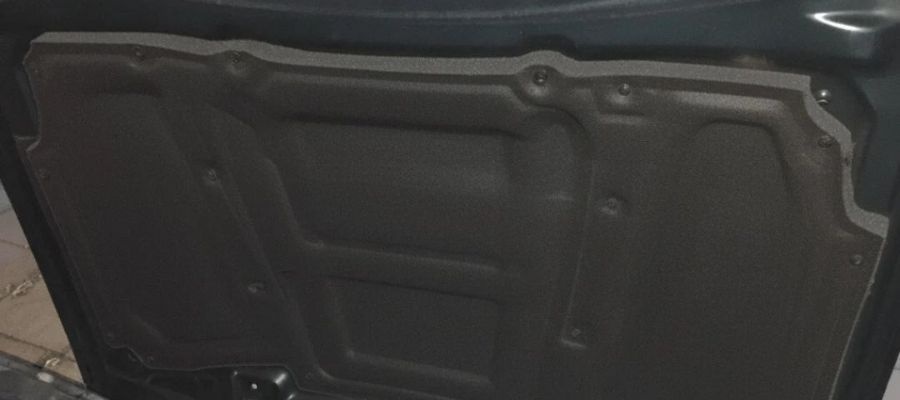
Bonnet sound insulation
The bonnet can amplify or let through engine noise, especially when the original insulation is missing, worn or does not dampen enough. By insulating the bonnet, you limit noise that is transmitted via the front of the vehicle to the outside and towards the cab. Always make sure you use material that is suitable for higher temperatures.
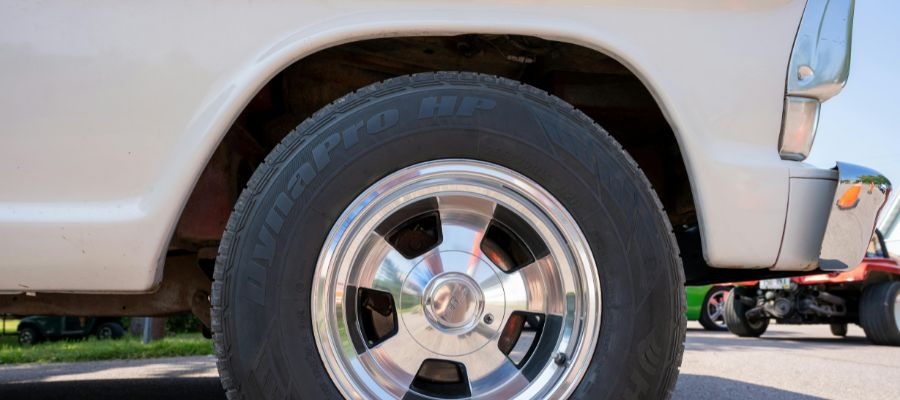
Insulating wheel arches
A lot of road noise enters the vehicle via the wheel arches. Think of tyre noise, splashing water, gravel chippings and noise from a coarse road surface. By insulating the wheel arches, you mainly reduce noise that is constantly present while driving. This can make a big difference on motorway journeys or in vehicles with limited factory insulation.
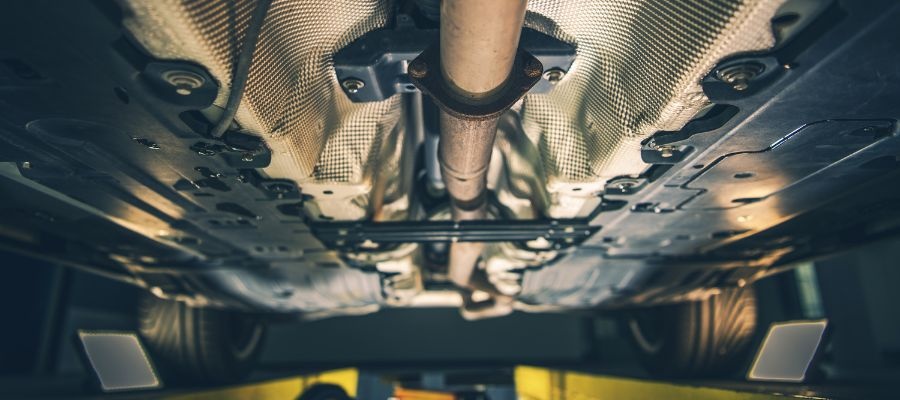
Insulating exhaust noise
An audible exhaust can be annoying on long journeys, especially when noise and vibration are transmitted via the floor or rear of the vehicle. By insulating around the right parts of the bodywork, you can reduce exhaust noise in the interior. Always check first that the exhaust system is technically sound before you apply sound insulation.
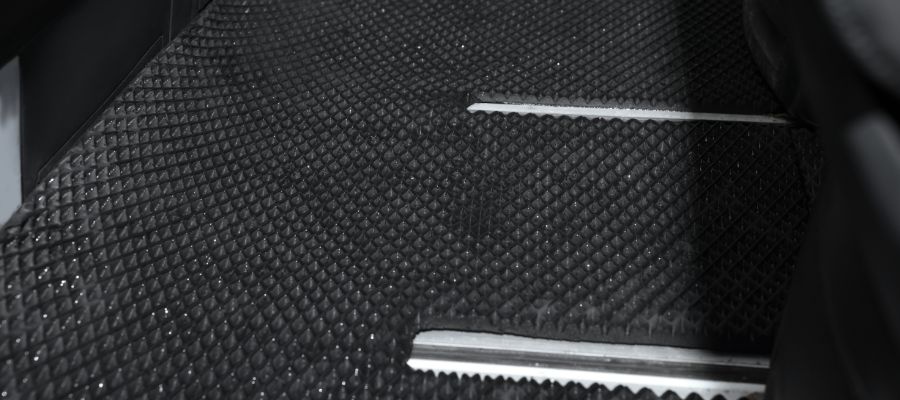
Insulating the floor pan
The floor pan transmits a lot of noise from tyres, road surface, drivetrain and vibration of the bodywork. By insulating the underside of the vehicle, you improve acoustic comfort in the cab or load area. This approach is especially valuable for vans, campervans and cars where a lot of road noise comes from below.
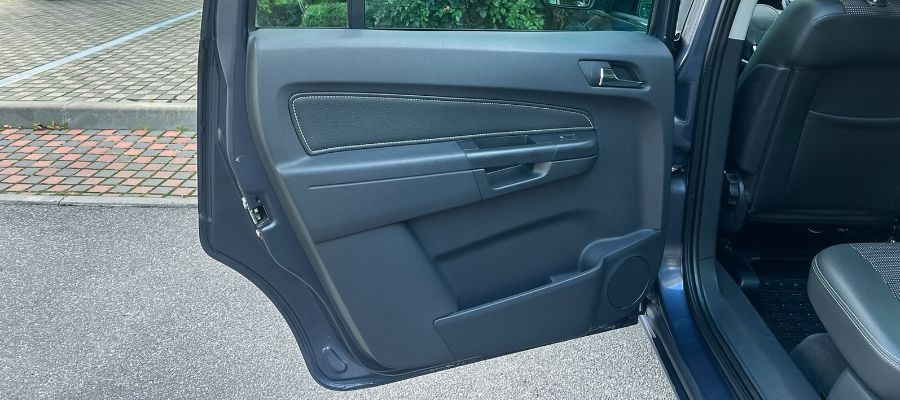
Insulating car doors
Car doors can sound hollow and easily let outside noise through. By insulating car doors, you reduce wind noise, resonance and ambient noise. In addition, door insulation can contribute to a fuller sound from car speakers, because vibration in the sheet metal is damped better.
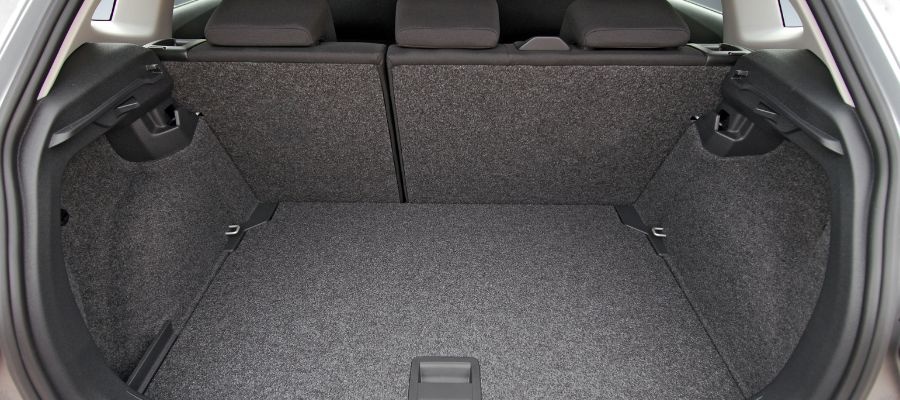
Insulating the boot
The boot is often a large, relatively open space where sound can resonate. Tyre noise, exhaust noise and vibration from the rear of the vehicle in particular can be clearly audible here. By insulating the boot, you make the interior quieter and reduce annoying resonance while driving.